
AC Installation Westbank: 2026 Step-by-Step Guide

Last Updated: October 23, 2026
Quick Summary
AC installation in Westbank follows three phases: sizing the system with a load calculation, preparing the site, and setting and testing the equipment. A straightforward replacement takes about four to eight hours, while jobs needing ductwork or electrical upgrades can stretch to two days. Never accept a quote based on square footage alone, because a rule-of-thumb size can be off by a full ton.
A load calculation measures your home's heat gain and loss to match equipment capacity to it.
Oversized systems cool fast but never run long enough to remove humidity.
A written estimate should separate equipment, labor, materials, electrical, permits, and warranty terms.
The permit and inspection confirm the installation meets electrical and mechanical safety standards.
ACE ELECTRICAL AC & HEATING has served the Greater New Orleans area since 1998.
Table of Contents
AC Installation Westbank: What Homeowners Should Know First
AC Installation Process: From Home Assessment to First Cool Night
Step 1: Load Calculation and System Sizing
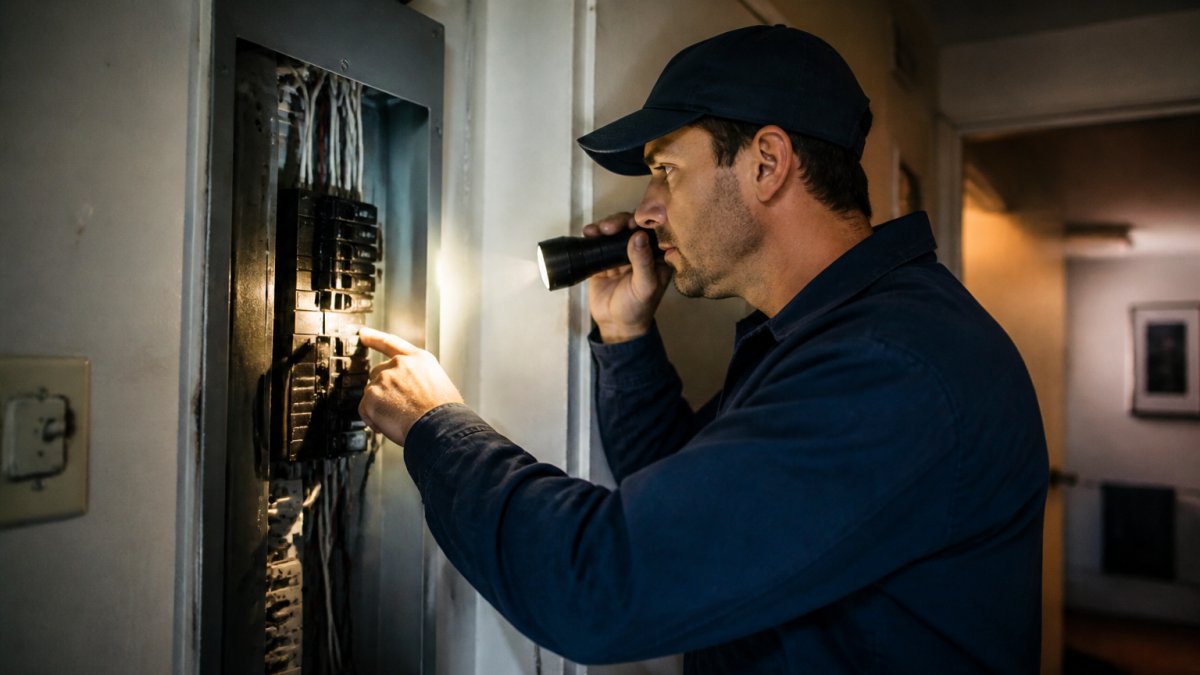
Step 2: Removal, Line Set, and Electrical Prep
Step 3: Equipment Set, Refrigerant Charge, and Testing
Air Conditioner Sizing: Why Bigger Is Not Better
New Air Conditioner Cost: What Drives the Quote
The Five Cost Drivers, Ranked by Impact
What a Written Estimate Should Separate
Reading the Quote Like an Editor
AC Installation Time: How Long the Job Actually Takes
Permits, Code Compliance, and Safety Before You Sign
The Three Rulebooks an Install Must Satisfy
The Permit and Inspection Sequence
What to Verify After the Crew Leaves
Choosing Between System Types and Verifying Your Contractor
Frequently Asked Questions
AC Installation Westbank: What Homeowners Should Know First
AC installation in Westbank starts with one number most homeowners never see: the load calculation. Without it, you are guessing at system size, and a wrong guess costs you comfort and money for the next 15 years.
The stakes are higher than most people realize. According to IBISWorld's 2026 industry analysis, the U.S. heating and air-conditioning contractors industry is a $159.4 billion market with 120,000 businesses. Meanwhile, BDR's 2026 HVAC trends report found that 19% of homeowners were considering a new heating or air-conditioning system in 2026, roughly 3.5 million people shopping for the same work you are.
Here is what most guides get wrong: they treat AC installation as a shopping decision. It is really an engineering decision. Below, we break down the process step by step, what drives the quote, and what to verify before you sign.
AC Installation Process: From Home Assessment to First Cool Night
Every proper AC installation process follows three phases: sizing the system, preparing the site, and setting and testing the equipment. A shortcut on any one of them shows up as higher bills or uneven cooling later.

Step 1: Load Calculation and System Sizing
A load calculation measures how much heat your home gains and loses, then matches equipment capacity to that number. Technicians assess square footage, window area, insulation, duct condition, and local climate. Skipping this step is the single most common installation mistake we see. A system sized by rule of thumb ("about a ton per 500 square feet") will short-cycle, run inefficiently, and wear out early.
Step 2: Removal, Line Set, and Electrical Prep
The old unit comes out, and the site gets prepared for the new one. That means checking the line set for compatibility, confirming the electrical disconnect and breaker meet the new equipment's requirements, and inspecting the pad or platform. In older homes, this is where hidden problems surface, and it is better to find them now than after the crew has left.
Step 3: Equipment Set, Refrigerant Charge, and Testing
The condenser and air handler go in, the refrigerant charge is set to the manufacturer's specification, and the system runs through a full test cycle. A proper test covers static pressure, temperature split, and airflow. Ask for the readings. A contractor who cannot show you measured performance did not finish the job.
Air Conditioner Sizing: Why Bigger Is Not Better
Air conditioner sizing is about matching capacity to your home's actual load, not buying the largest unit that fits the budget. An oversized system cools the air fast but never runs long enough to remove humidity.
Undersized equipment has the opposite failure: it runs constantly, never quite keeps up on the hottest days, and drives up energy bills. The right size sits in between, and only a load calculation finds it.
Watch Out Never accept a quote based on square footage alone. A rule-of-thumb size can be off by a full ton, and that error follows you for the life of the system through higher bills and premature failure.
New Air Conditioner Cost: What Drives the Quote
New air conditioner cost depends on system size, efficiency rating, equipment brand, ductwork condition, and electrical work required. Two houses of the same square footage can get quotes thousands of dollars apart because one needs a new line set and an electrical upgrade and the other does not. The most useful thing a homeowner can do is understand which of those drivers apply to their own house before the first contractor walks in.
The Five Cost Drivers, Ranked by Impact
System size and efficiency. Capacity is set by the load calculation, and efficiency is set by the SEER2 rating you choose. Moving up an efficiency tier raises equipment cost but lowers operating cost; the trade-off is worth modeling against your expected years in the home rather than assumed.
Equipment brand and tier. Builder-grade and premium lines of the same capacity can differ substantially in price. Ask for the model number on the quote and look up its rated capacity and SEER2 so you are comparing like with like.
Ductwork condition. Existing ducts that leak, are undersized, or are routed through unconditioned space can require sealing, resizing, or partial replacement. This is the single most common reason a "simple swap" quote grows after the crew opens the attic.
Electrical work. New equipment may need a dedicated circuit, a new disconnect, or a panel upgrade if the existing service is near capacity. A panel upgrade is a licensed electrical job and should appear as its own line item, not folded into labor.
Line set and site prep. A mismatched line set, a deteriorated pad, or a platform that cannot carry the new condenser adds materials and hours.
What a Written Estimate Should Separate
Equipment: condenser, air handler or coil, and thermostat, listed by model number
Labor: removal, installation, and testing hours
Materials: line set, pad, disconnect, and any duct modifications
Pro Tip Ask whether the estimate includes a Manual J load calculation report. Reputable contractors provide it on request, and its presence tells you the quote was built on measurements rather than guesswork.
Reading the Quote Like an Editor
Compare quotes on scope, not on the bottom line. A lower total that omits the permit, the disconnect, or a duct sealing allowance is not a lower price; it is a smaller job. Ask each contractor to state, in writing, what is excluded. The exclusions are where change orders are born.
Watch Out Be cautious of any quote that is dramatically below the others without a stated reason. In HVAC work, the usual explanations are skipped load calculation, no permit, uncertified labor, or equipment that does not match the quoted model number. Ask which one applies.
AC Installation Time: How Long the Job Actually Takes
AC installation time runs about four to eight hours for a straightforward replacement and longer when ductwork or electrical upgrades are involved. A same-day install is normal for a like-for-like swap. A first-time install in an older home, or a job that requires a new line set and panel work, can stretch to two days.
Plan for the crew to need access to the attic or crawlspace, the outdoor pad, and your electrical panel. Clear the path beforehand. The clock starts when they arrive, and access delays are the most common reason a one-day job becomes a two-day job.
Job Type | Typical Duration | What Extends It |
Straight replacement | 4-6 hours | Line set mismatch |
Replacement plus electrical | 6-8 hours | Panel or breaker upgrade |
First-time install | 1-2 days | New line set, ductwork |
Ductless system | 4-8 hours | Number of zones |
Permits, Code Compliance, and Safety Before You Sign
Permits and code compliance are not paperwork formalities. They confirm the installation meets electrical and mechanical safety standards, and they protect you if something goes wrong later. A permit also triggers an inspection, which catches problems a rushed crew might leave behind. In practice, a residential AC replacement touches three separate rulebooks at once, and a contractor who only knows one of them is a risk.
The Three Rulebooks an Install Must Satisfy
The mechanical code. The International Mechanical Code (IMC), as adopted by the local jurisdiction, governs equipment placement, clearances, combustion air, and condensate disposal. The condensate line, in particular, must drain to an approved location, not simply drip beside the foundation.
The electrical code. The National Electrical Code (NEC), as adopted locally, governs the dedicated circuit, the disconnecting means within sight of the equipment, conductor sizing, and grounding. A new condenser with a higher rated load can require a larger circuit than the old unit used.
Refrigerant handling. Under Section 608 of the Clean Air Act, technicians who handle refrigerants must be certified, and refrigerant cannot be knowingly vented during service. Ask for the certification; it is a legal requirement, not a courtesy.
The Permit and Inspection Sequence
The contractor applies for the mechanical and electrical permit and posts it on site.
The rough-in inspection happens after the line set, drain, and electrical connections are in place but before the system is closed up.
The final inspection confirms equipment ratings, clearances, electrical connections, and that the installed equipment matches the permitted scope.
The jurisdiction closes the permit, and you should keep the final inspection record with your home documents.
Ask three questions before signing: Who pulls the permit? Is the final inspection included? Does the estimate cover code-required items like the electrical disconnect and proper grounding? If a contractor suggests skipping the permit to save time, walk away.
Key Takeaway The permit and inspection are your proof the work was done to code. A contractor who avoids them is transferring risk to you, not saving you money.
What to Verify After the Crew Leaves
The equipment nameplate model and serial numbers match the quote.
The disconnect is installed and labeled.
The condensate drain terminates at an approved point and shows no standing water.
Choosing Between System Types and Verifying Your Contractor
System type comes down to your home's layout and your goals. A ductless air conditioning system, also called a mini-split, suits additions, rooms without ducts, and older homes where running ductwork is impractical.
Verification matters as much as selection. Confirm the contractor holds a valid license, carries insurance, and can show recent local customer reviews.
ACE ELECTRICAL AC & HEATING has served the Greater New Orleans area since 1998 with certified technicians for residential and commercial HVAC work.
Frequently Asked Questions
How much does AC installation cost in Westbank?
There is no single price, because the quote depends on the system size your home needs, the efficiency tier you pick, whether ductwork or electrical work is required, and how difficult the access is. A written estimate should itemize equipment, labor, line set and refrigerant, permits, and any duct or panel upgrades. Ask for that breakdown in writing and compare line by line rather than on the bottom number alone. Contact a licensed local contractor for a quote based on your actual home.
How long does the AC installation process take?
A straightforward changeout of a matched split system usually finishes in one day, while a full replacement that includes ductwork, electrical panel work, or new line sets can run two to three days. The AC installation time also depends on whether the crew finds surprises behind the walls in an older home. Ask the contractor to state the expected duration in the written estimate and to explain what would extend it.
How do I choose the right size air conditioner for my home?
Proper air conditioner sizing comes from a room-by-room load calculation that accounts for square footage, window area, insulation, ceiling height, and local summer design conditions, not from a rule of thumb based on square feet alone. An oversized unit cools fast but cycles short, which leaves rooms clammy and wears parts out sooner. Ask the contractor to show you the load calculation before you approve equipment.
Should I repair my old air conditioner or replace it?
Repair usually makes sense when the unit is under about ten years old, the fix is a single component, and the repair costs a small share of replacement. Replacement becomes the better call when repairs stack up, when refrigerant for an older system is hard to get, or when the compressor or coil fails. Get a written diagnosis with the repair price and a replacement quote side by side, then decide.
Getting a new system installed is a big decision, and the difference between a good job and a bad one comes down to sizing, permits, and testing. ACE ELECTRICAL AC & HEATING brings certified technicians, full system installation, and 24/7 emergency service to every job, with electrical upgrades handled by the same team. Call 504-914-8771 to schedule your assessment and get a written estimate.
Click to Call 504-914-8771
Add aceelectricalandac.com as a preferred source on Google →

Comments