
How to Maintain HVAC System: Complete 2026 Guide

Table of Contents
Why Regular HVAC Maintenance Matters
HVAC Maintenance Checklist: Essential Tasks Every Homeowner Can Do
Air Filter Inspection and Replacement
Clearing Vents and Return Air Pathways
Outdoor Unit Debris Removal
DIY HVAC Maintenance: What You Can Safely Handle Yourself
The Safe List: Tasks Any Homeowner Can Do
The Professional-Only List: Do Not Touch These
Thermostat Programming: The One Adjustment That Pays
Visual Inspections You Can Do From the Ground
How Often to Service HVAC System: Seasonal and Annual Schedule
Spring and Summer Cooling Season Prep
Fall and Winter Heating Season Prep
Monthly and Quarterly Tasks
Common HVAC Problems and When to Call a Professional
Recognizing Warning Signs
System-Specific Maintenance Instructions
Professional HVAC Maintenance: Why It Pays Off
What a Professional Tune-Up Actually Includes
What It Costs and What You Get
Service Plans: When They're Worth It
Documentation: The Part Homeowners Underrate
Measuring Maintenance Results and Protecting Your Investment
Frequently Asked Questions
Last Updated: October 5, 2026
Why Regular HVAC Maintenance Matters
Your HVAC system works year-round, but most homeowners neglect to maintain HVAC system like they would a car they never service, until something breaks.
An overdue filter forces the system to work harder, a clogged condenser loses efficiency, and a misprogrammed thermostat runs when nobody's home.
Maintaining your HVAC system extends equipment lifespan, keeps energy bills predictable, and catches small problems before they become expensive failures.
HVAC Maintenance Checklist: Essential Tasks Every Homeowner Can Do
An HVAC maintenance checklist gives you a roadmap for the work you can handle yourself. These tasks take a few hours a year, require no special tools, and prevent the slow decline that leads to system failure.
Air Filter Inspection and Replacement
Your air filter traps dust, pollen, pet hair, and debris before they reach the system's internals. A clogged filter forces the system to work harder, reducing efficiency and raising costs.

Clearing Vents and Return Air Pathways
Blocked vents and return air pathways starve your system of airflow. Check every supply and return vent, making sure furniture, curtains, or storage boxes aren't blocking them, even partial obstruction reduces efficiency.
Return vents, typically larger grilles in walls or ceilings, must also stay clear. Vacuum around them and remove dust buildup to ensure even temperature distribution and prevent the system from working overtime.
Outdoor Unit Debris Removal
Your outdoor condenser unit needs breathing room. Leaves, grass clippings, twigs, and dirt accumulate around and inside it, restricting airflow and forcing the system to work harder. Inspect it monthly during fall and spring.
Clear leaves and grass clippings from a two-foot radius around the unit. Gently clean the fins (the metal slats on the sides) with a soft brush or cloth, never a pressure washer, which damages them.
DIY HVAC Maintenance: What You Can Safely Handle Yourself
Most guides hand you a checklist and never tell you where to stop. The line isn't how handy you are, it's what's behind the panel. Anything involving line voltage, refrigerant under pressure, or a gas burner belongs to a licensed technician. Everything in front of the panel is fair game.
HVAC Bee
The Safe List: Tasks Any Homeowner Can Do
These tasks require no special tools, no certification, and no contact with the system's internals:
Replace or clean the air filter. Slide the old filter out, match the size printed on its frame, and insert the new one with the arrow pointing toward the blower. Every 30 to 90 days is the common range; pets, smokers, and construction shorten it.
Clear the outdoor condenser. Remove leaves, grass clippings, and twigs from a two-foot radius. Rinse the fins gently with a garden hose from the inside out, never a pressure washer, which bends the fins flat and chokes airflow.
Vacuum supply and return grilles. Dust buildup restricts airflow the same way a dirty filter does.
The Professional-Only List: Do Not Touch These
Each item below carries a hazard a homeowner cannot safely manage:
Refrigerant lines and service valves. Refrigerant is under high pressure and regulated. Releasing it is a burn/frostbite hazard and an environmental violation. Only a certified technician may recover, recharge, or open a sealed system.
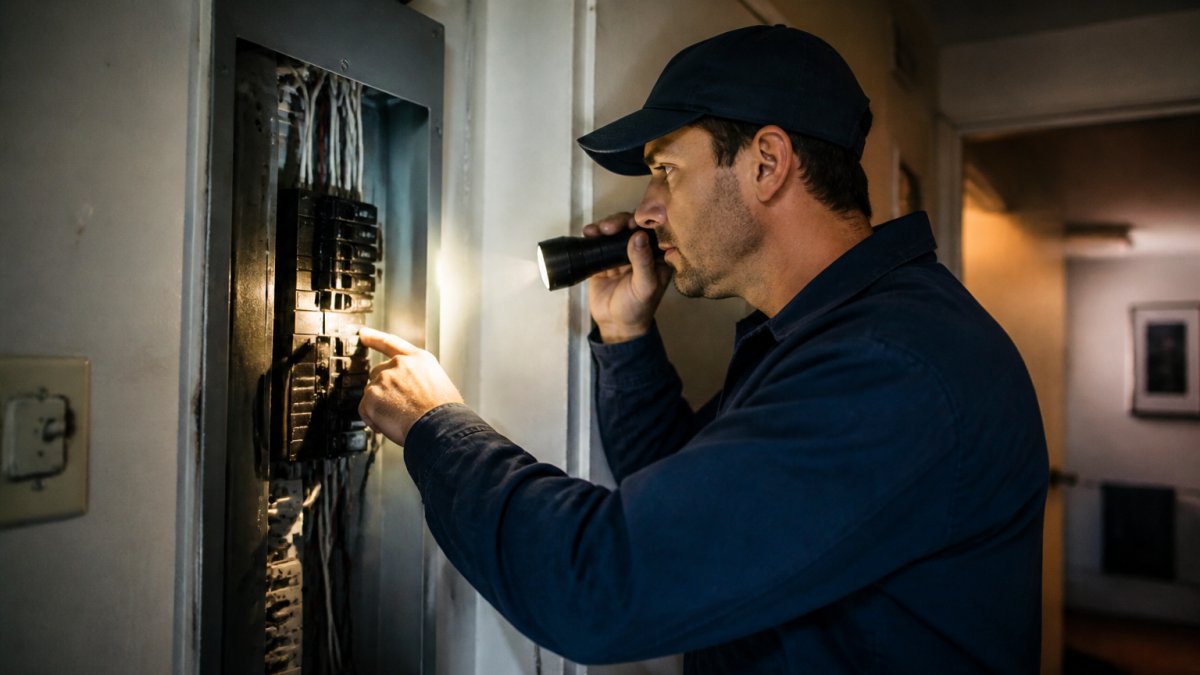
The electrical disconnect and control board. The outdoor unit and air handler hold line-voltage capacitors that retain a lethal charge even after the breaker is off. "Tightening a loose connection" is how people get electrocuted.
Gas supply lines, burners, and the heat exchanger. Any work here risks carbon monoxide exposure or a gas leak. Combustion analysis requires instruments and training.
Watch Out If you smell gas, hear a persistent hiss near a gas line, or see scorch marks around the furnace, leave the home and call your gas utility's emergency line from outside. Do not flip switches on your way out.
Thermostat Programming: The One Adjustment That Pays
Your thermostat is the highest-leverage control you own.
If you have a smart thermostat, use its runtime and energy reports to spot drift. A heating bill that climbs the same month two years running, with no change in weather or occupancy, is worth investigating before it becomes a mid-winter failure.
Visual Inspections You Can Do From the Ground
You don't need to open anything to catch early warning signs. Walk the system monthly and look for:
Rust streaks or standing water at the base of the outdoor unit
Ice on the refrigerant lines or the outdoor coil (a sign of low charge or restricted airflow, not "just winter")
A condenser fan that wobbles, grinds, or won't spin freely by hand with the power off
Note what you see and the date. That log helps a technician diagnose faster and answers a buyer's question at resale.
How Often to Service HVAC System: Seasonal and Annual Schedule
An HVAC maintenance schedule aligned with the seasons helps you maintain HVAC system readiness when you need it most, spreading tasks across the year instead of piling them up at once.
Spring and Summer Cooling Season Prep
Before summer heat arrives, have a professional perform a cooling season tune-up in April or May. They'll inspect the refrigerant charge, clean coils, check electrical connections, and ensure the system is ready for heavy use.
Also inspect your outdoor unit for winter damage: clear debris, check that the condenser fan spins freely, and look for visible damage.
Fall and Winter Heating Season Prep
Before winter arrives, schedule a heating season tune-up in September or October. A professional will inspect the furnace or heat pump, test the ignition system, check gas connections, and verify airflow, preventing mid-winter failures when demand spikes.
Check weatherstripping around doors and windows to prevent air leaks that force your heating system to work harder.
Monthly and Quarterly Tasks
Monthly, inspect your outdoor unit for debris and check that indoor vents are unobstructed. Every three months, replace or clean your air filter, and test your thermostat to confirm it maintains the temperature you set.
These small, frequent checks catch problems early: a clogged filter noticed in month two prevents the strain that leads to failure in month six, and debris cleared monthly prevents buildup that damages fins and reduces efficiency.
Common HVAC Problems and When to Call a Professional
Some problems are obvious, no cold air in summer or no heat in winter demands immediate professional help. Others are subtler. Knowing which warning signs require a professional call prevents small issues from becoming expensive emergencies.
Recognizing Warning Signs
Unusual noises, grinding, squealing, or rattling, indicate internal wear or loose components. A system that runs constantly without reaching the set temperature suggests a refrigerant leak or compressor failure.
Higher-than-normal energy bills often point to inefficiency.
Uneven temperatures, one room cold while another stays warm, can indicate ductwork leaks or a failing blower motor. Burning or musty odors require immediate professional attention.
System-Specific Maintenance Instructions
Different system types need different care. A furnace requires annual inspection of the ignition system and gas connections. A heat pump needs regular inspection of both indoor and outdoor units since it works year-round.
If you're unsure whether your system is a furnace, heat pump, or air conditioner, check your equipment documentation or ask a professional during your first service call.
Professional HVAC Maintenance: Why It Pays Off
A tune-up isn't a filter change with an invoice attached. It's a measured inspection of the parts you can't see, the difference between a system that dies at year 10 and one that runs to year 18. Here's what happens on a service call, what it costs, and whether a service plan is worth it.
What a Professional Tune-Up Actually Includes
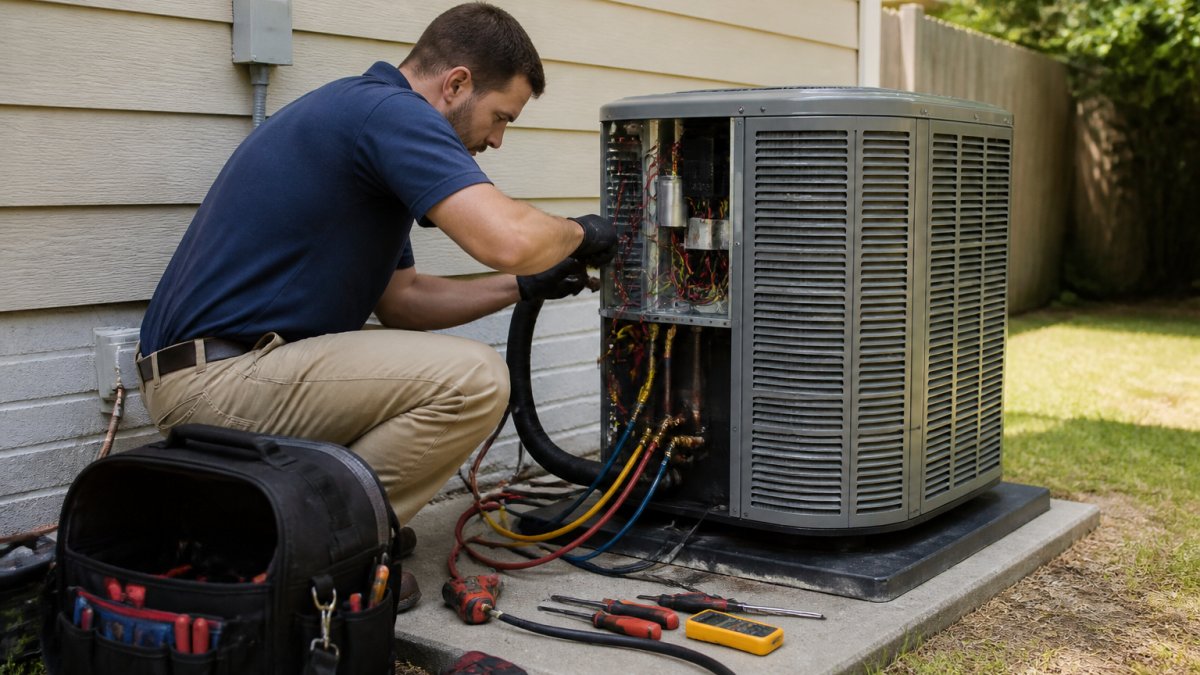
A competent technician works through a defined sequence. Ask for the checklist before you book; expect most of these items:
Refrigerant charge check. Measured with gauges against the manufacturer's spec, not eyeballed. An overcharged system is as inefficient as an undercharged one.
Coil cleaning. Both the indoor evaporator and outdoor condenser coils, which accumulate dust and growth a garden hose can't reach.
Electrical inspection. Tightening connections, testing capacitors and contactors, and measuring amp draw on the compressor and blower motor. A failing capacitor is a cheap part that takes out a compressor if ignored.
A tune-up that skips the refrigerant check, amp draw readings, or heat exchanger inspection is a filter change with a bigger bill.
What It Costs and What You Get
Pricing varies by market and system type. Emergency calls carry a premium, and repairs found during a tune-up are quoted separately.
The tune-up also creates the record that supports a warranty claim if a covered part fails.
Service Plans: When They're Worth It
A maintenance plan, or service agreement, bundles two visits a year (one cooling, one heating) at a discount versus booking separately. Plans commonly add:
Priority scheduling during peak season
Discounted repair labor or parts
No overtime charges for after-hours calls
A plan makes sense if you have a heat pump or dual-fuel system needing two visits anyway, want predictable costs, or know you'll forget to schedule. It makes less sense for a single-system air conditioner in a mild climate if you're disciplined about booking annual service. Read the terms, some plans exclude the repairs you're most likely to need.
Documentation: The Part Homeowners Underrate
Every professional visit should end with a written report: what was measured, found, replaced, and what to watch. Keep those reports, they let the next technician see the trend, support a warranty claim if a covered component fails, and answer a buyer's inspector's first question at resale: has the system been maintained?
Key Takeaway A tune-up is a measurement, not a cleaning. If your technician can't tell you the refrigerant charge, the amp draw, and the temperature split when they leave, you didn't get a tune-up.
Measuring Maintenance Results and Protecting Your Investment
Good maintenance shows results. After a professional tune-up, your system should run more quietly, reach set temperatures faster, and use less energy.
Your system's lifespan is the ultimate measure of maintenance success. Well-maintained HVAC systems typically last longer than neglected systems.
Keep records of all maintenance and repairs, filter replacements, professional tune-ups, and any problems you notice.
Frequently Asked Questions
How often should you change your HVAC air filter?
Standard 1-inch filters need replacement every 1 to 3 months, depending on household conditions. Homes with pets, allergies, or high dust levels should check filters monthly and replace them more frequently. Higher-efficiency filters (4-5 inches thick) can last 6 to 12 months. Check your filter monthly by holding it up to light; if you can't see through it, replace it immediately. A clogged filter reduces airflow, strains your system, and increases energy consumption.
What should be included in an HVAC maintenance checklist?
A complete HVAC maintenance checklist covers air filter replacement, inspecting return and supply vents for blockages, clearing debris from the outdoor condenser unit, checking thermostat settings, sealing air leaks around ductwork, inspecting weatherstripping on doors and windows, and scheduling annual professional tune-ups. For older systems, also inspect moving parts for lubrication needs and check the condensate drain for clogs. Spring and fall seasonal checks should include outdoor unit clearance and coil cleaning. Professional technicians will also test refrigerant levels and electrical components.
What is the most common HVAC problem homeowners face?
Clogged or dirty air filters are the most common issue, causing reduced airflow, decreased efficiency, and system strain. The second most frequent problem is refrigerant leaks, which reduce cooling capacity and damage the compressor over time. Other common issues include thermostat malfunctions, frozen evaporator coils, blocked condensate drains, and debris-clogged outdoor units. Many of these problems are preventable through regular maintenance. If your system runs but doesn't cool or heat effectively, starts making unusual noises, or cycles on and off frequently, call a professional for diagnosis.
Can regular HVAC maintenance help prevent an air conditioner from freezing?
Yes. A frozen evaporator coil usually results from restricted airflow caused by dirty filters, blocked return vents, or low refrigerant levels, all preventable through maintenance. Changing filters regularly, keeping vents clear, and scheduling professional refrigerant checks eliminate the most common freeze causes. Proper thermostat settings also matter; running your system below 62°F on cooling mode can trigger freezing. If your AC freezes despite regular maintenance, the issue likely involves refrigerant or a failing component requiring professional repair.
How often should you schedule professional HVAC maintenance?
Professional tune-ups should occur at least once per year, ideally twice annually, once before cooling season (spring) and once before heating season (fall). Newer systems under warranty may require annual maintenance to keep coverage valid. Older systems (10+ years) benefit from twice-yearly service to catch wear before failure. During a professional visit, technicians inspect electrical connections, lubricate moving parts, clean coils, check refrigerant levels, test airflow, and identify potential problems. This preventive approach extends equipment lifespan and maintains energy efficiency.
What HVAC maintenance can homeowners do themselves?
Homeowners can safely replace air filters, clear return and supply vents of obstructions, remove leaves and debris from around the outdoor condenser unit, adjust thermostat settings, and seal visible air leaks around ductwork with weatherstripping. You can also visually inspect indoor and outdoor equipment for obvious damage or debris. However, do not attempt refrigerant handling, electrical work, coil cleaning, or moving internal components, these require certification and specialized tools. If you're unsure whether a task is safe, contact a professional technician.
What is the $5,000 rule for AC units?
The $5,000 rule is a decision framework: multiply your system's age by its annual repair cost. If the result exceeds a certain threshold, replacement is often more economical than continued repairs. This rule accounts for declining efficiency in aging systems and rising repair frequency. Systems over 15 years old typically approach end-of-life, making replacement more cost-effective than repairs. Consult a professional to evaluate your specific situation.
How does regular HVAC maintenance improve system efficiency and lower energy bills?
Clean filters, unobstructed airflow, and properly functioning components allow your system to operate at peak efficiency, reducing energy consumption. A dirty filter forces the system to work harder, using more energy. Regular coil cleaning, refrigerant checks, and moving-part lubrication eliminate friction and strain. Proper thermostat programming and sealed ductwork prevent conditioned air from escaping. Seasonal tune-ups catch efficiency losses early. Over a system's lifespan, regular maintenance can reduce energy costs while extending equipment life.
Regular maintenance of your HVAC system is the most cost-effective investment you can make in home comfort and efficiency. When you notice problems like unusual noises, weak airflow, or higher energy bills, don't wait, contact ACE ELECTRICAL AC & HEATING at 504-914-8771 for professional diagnosis and repair. Our certified technicians provide rapid-response service and ensure your system operates safely and efficiently, keeping your home comfortable year-round.
Click to Call 504-914-8771

Comments